Juggling several debts with different due dates and rates is stressful. Debt consolidation promises one payment, possibly at a lower rate. For some people it works well; for others it simply stretches the debt over a longer time or replaces it with new costs. The difference usually depends on why the debt built up and on the exact terms of the new loan.
This guide explains how consolidation works, the alternatives and what official sources warn about. We do not recommend lenders or quote rates; check every offer’s own disclosures.
What debt consolidation means
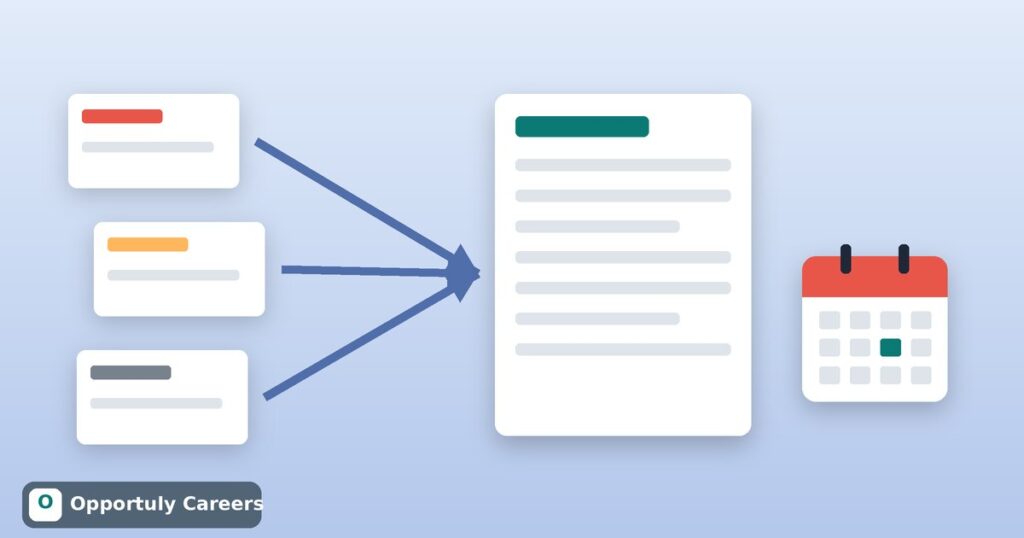
Consolidation combines several debts into one. The CFPB describes the main ways:
- Debt consolidation loan. Banks, credit unions and installment lenders may offer a loan that pays off your other debts, leaving one monthly payment.
- Balance transfer credit card. You move card balances to a new card, often with a temporary 0% or low promotional rate.
- Home equity loan or line of credit. Uses your home as collateral, which means your home is at risk if you cannot pay.
What the CFPB warns about
In its guide to consolidating credit card debt, the CFPB highlights several risks:
- Teaser rates. Low rates on consolidation loans may last only for a limited time.
- Longer terms. A lower monthly payment may come from paying over a longer period, which can mean paying more overall, including fees.
- Balance transfer costs. You will probably pay a transfer fee, and the promotional rate ends. New purchases on the same card can lose the grace period.
- Root causes. If debt built up because spending exceeds income, consolidation probably won’t help unless spending falls or income rises.
- Credit score. If debt problems have affected your credit, you may not qualify for low rates.
Consolidation is not debt settlement
The CFPB warns that many companies advertising “debt consolidation” are actually debt settlement companies. They may tell you to stop paying creditors and pay into a special account while they negotiate. The CFPB explains why that is risky:
- Missed payments are reported and damage your credit.
- Creditors may send the debt to collections or sue.
- Interest and penalty fees keep growing while you are not paying.
Read more in the CFPB’s answer on debt consolidation advertisements.
Credit counseling as an alternative
The CFPB suggests starting with a nonprofit credit counselor, who can help you build a budget and may offer a debt management plan, in which you make one payment to the agency and it pays your creditors, sometimes with reduced rates or fees agreed with them. The CFPB explains the differences between counseling, settlement, consolidation and credit repair in this answer.
When a consolidation loan can make sense
- The new APR is clearly lower than the average rate on your current debts.
- The total cost, including fees, is lower than continuing your current payments.
- The term is not much longer than you would need anyway.
- You have a plan to avoid running the old cards back up.
Do the maths with real numbers
Add up what you would pay if you kept your current debts on their current plans, then compare it with the total of payments on the consolidation loan plus any fees. If the consolidation total is not clearly lower, the main benefit is convenience, and you should decide whether that convenience is worth the cost.
A checklist before you sign
- List every debt: balance, APR, minimum payment and remaining term.
- Get two or three offers, using prequalification where available.
- Compare the total of payments for the new loan with what you would pay on current debts.
- Check fees: origination, late payment and prepayment.
- Confirm how payoff works: will the lender pay your creditors directly or send you the money?
- Keep paying existing debts until each one shows as paid.
- Decide what to do with paid-off cards: keeping them open with a zero balance may help your credit utilisation, but only if you will not use them.
Official US government source. We are not a lender and do not take applications.
Talk to your creditors first
The CFPB also suggests contacting creditors directly. Some may accept lower minimum payments, waive certain fees, reduce your rate or move your due date to match your payday. A short phone call can sometimes achieve as much as a new loan, without new fees.
Frequently asked questions
Does consolidating debt hurt my credit?
A new application causes a hard inquiry, but steady on-time payments and lower card balances can help over time.
Is a home equity loan a good way to consolidate?
It may have a lower rate, but you put your home at risk. Consider this carefully.
Can I consolidate with bad credit?
You may get offers, but rates may not be lower than your current debts. Compare carefully.
What is the difference between consolidation and settlement?
Consolidation repays debts in full with a new loan; settlement tries to pay creditors less than you owe, with significant risks.
Sources
- CFPB – Consolidating credit card debt
- CFPB – Debt consolidation advertisements
- CFPB – Credit counseling vs settlement, consolidation and repair
- US Trustee Program – Approved credit counseling agencies
Related guides
- Personal Loans With Bad Credit or “No Credit Check”: Risks and Safer Options
- How to Compare Personal Loans: APR, Fees, Prequalification and Total Cost
- Banks, Credit Unions or Online Lenders: Where to Get a Personal Loan
- Why Personal Loan Applications Get Rejected and What to Do Next
Opportuly Careers is an independent guide. We are not a bank or lender, we do not receive applications and this article is general information, not financial advice.